The pandemic-fueled retail trends that are here to stay

The pandemic-fueled retail trends that are here to stay
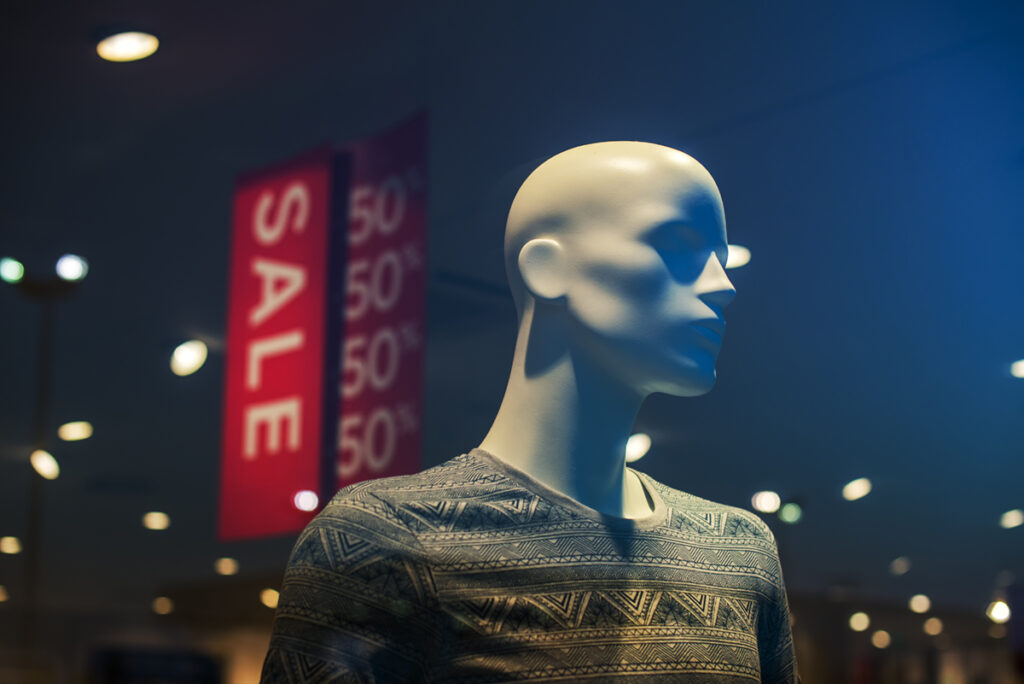
COVID permanently rearranged the furniture of retail. Consumer behavior changed in months, and some estimates said a decade of technology adoption got squeezed into a few of them. Retailers had to adapt fast or join the pile of businesses that closed in 2020. Plenty of new trends sprang up. The real question is which of them have staying power and will still be around when the pandemic is a distant memory.

Retail met the challenge with a lot of optimism. Foot traffic fell, but many retailers saw a surge in online activity, and a few even grew in 2020 over the year before.

Most retailers planned to stick with whatever worked in 2020. As the economy inched toward recovery in 2021, the second half of the year was still a question mark. So which trends have the legs to last?

1. BOPIS

Buy online, pick up in store was a niche offering before the pandemic and became a necessity once grocery runs got complicated. Now that customers have learned the routine, it will probably stay. It combines the ease of online shopping with same-day pickup instead of a wait for shipping. The downside for retailers is that shoppers skip the impulse buys they would have made wandering the aisles. But it is a lifeline when lockdown rules limit what a store can do, because it keeps revenue moving even when the doors are shut.

The Keeper Test

List every change you made in 2020. For each one, ask whether a customer would be upset if you took it away. The ones that pass are the keepers, and the rest were scaffolding.

Talk through what to keep

2. Wellness

Wellness was already popular before the pandemic. Lockdowns made the case even stronger, because when the gym closed people had to find another way to look after their bodies and minds. Taking care of yourself at home looks likely to stick around even after the world reopens.

3. Livestreaming

Livestream shopping took off in Asia-Pacific, where polished product drops are broadcast to eager audiences. One influencer in China reportedly moved tens of millions of dollars in sales in a single Singles Day broadcast. Few retailers can match that, and it takes serious planning, but as North American shoppers warm up to the format it looks set to stay.

Pandemic trends interior image
4. Faster Change

The pandemic also sped up technology adoption. Retailers that had been famously slow to change suddenly had to scramble, because survival depended on it. Some used the moment to renovate their stores. Others rethought their physical footprint and closed locations that had been dragging for years.

5. Distribution

Distribution had a rough year. Delivery limits and overloaded carriers disrupted the flow of goods, and stores faced real uncertainty about delivery times. Some widened their delivery networks to dodge delays, often finding more reliable service with smaller carriers or alternatives like Instacart. With fewer goods moving between stores, one retailer even repurposed its delivery vans to carry orders straight to the carrier’s centers, cutting time and cost.

The Un_Standard Takeaway

Crisis is a rough editor, but it cuts what does not matter. If you are sorting out which pandemic-era changes deserve a permanent place in your business, tell us what you changed and what you are not sure about, and we will help you decide what to keep.

Keep Reading

More on what changed for good: The Department Store’s Role in Post-Pandemic Retail and The Future of Retail.

About the author

Keep exploring

Pick a path through the work.

Agent Provocateur & Chief Creative Officer at Un_Standard. David helps ambitious brands unearth clarity, break the rules that hold them back, and co-create movement-level growth. When not challenging the status quo, he’s in the kitchen inventing new flavors or chasing after his three cats: Hallie Tosis, Lester Een, and Jim G. Vitis. #BeUnStandard

Leave a Reply