The Department Store’s Role in Post-Pandemic Retail

The Department Store’s Role in Post-Pandemic Retail
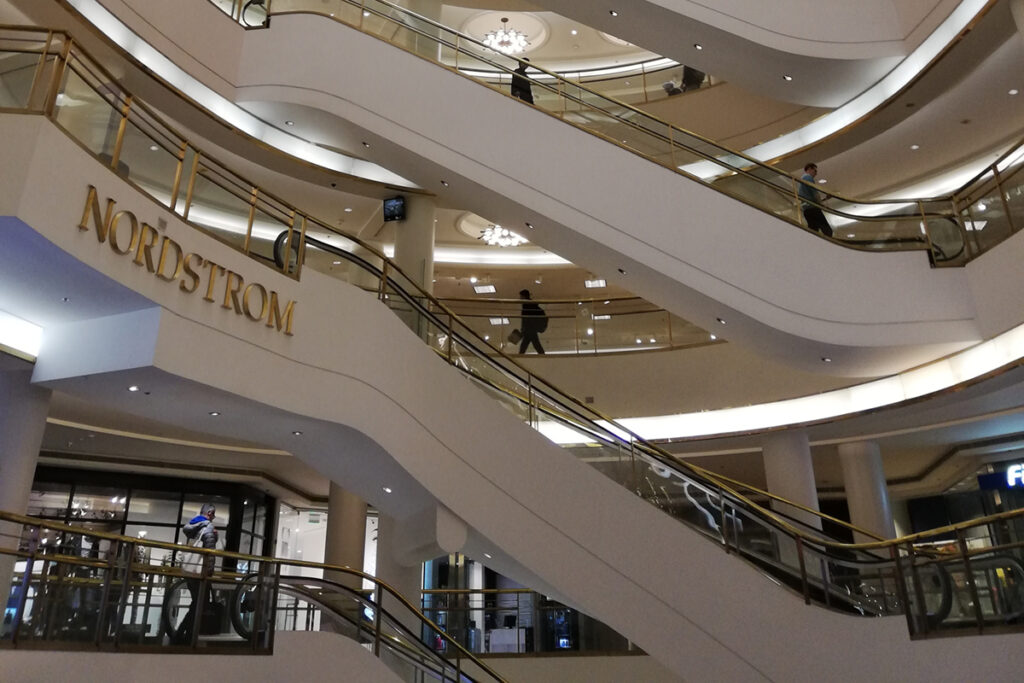
The pandemic shook consumer behavior hard, and the department store felt it first. In the nineteenth century it was the cutting-edge centerpiece of city life, bringing goods from around the world to your corner of town and inventing both customer service and the idea of everyday luxury. The flagships were architectural showpieces, from the domed atrium at Galeries Lafayette in Paris to the pipe organ at Wanamaker’s in Philadelphia, and shoppers could get a spa treatment, a private fitting or afternoon tea under the same roof.

Then times changed. Online shopping siphoned off foot traffic. Consolidation in the late 1990s made one city’s department store look like the next one’s. Digital players nibbled at market share. And the pandemic erased casual browsing altogether, leaving many stores as grand, echoing halls with a handful of shoppers.

Today the department store can feel like a monument to pre-internet ease, a way of buying that seems disorganized, out of touch and, worst of all, unnecessary. It looks like the past. Nordstrom, the Seattle-based chain, is betting it can still be the future, by reinventing what a department store is for.

Nordstrom has long bristled at being called a department store. A name is just a name, though, and it faces the same puzzle as every other multi-brand, multi-category retailer. How do you stay afloat in a crowded market where you compete with other multi-brand sellers and with the very brands on your own shelves?

Like its rivals, Nordstrom took a hit from the lockdowns, with profits down roughly a fifth in 2020. It expected sales to recover in 2021 and laid out business model changes in an early-February investor presentation. Those changes point to four ideas about how a department store can set itself apart, and each one is worth borrowing from.

1. Less Reliance on the Traditional Wholesale Model

Nordstrom is rethinking inventory, aiming to cut the share of products bought through traditional wholesale from about 85 percent to about 50 percent. It plans to lean on drop-shipping directly from brands. Having lost ground to digital players, it zeroed in on connecting customers directly to the brands it carries. Shoppers love choice, but choice carries real risk for the retailer who has to stock it.

The strategy has two sides. First, Nordstrom wants a lot more choice online, growing the number of styles on its site from about 300,000 to as many as 1.5 million. With no shelf space to worry about, it also plans to expand home goods considerably over the next few years.

Second, it is opening the door to smaller brands. Traditional wholesale will stay, but some brands will sell through drop-ship, some through e-concession, and some under profit-sharing deals. All of it supports the goal of getting wholesale down toward half of sales.

That flexibility helps brands that increasingly rely on direct sales for most of their profit. It also lets Nordstrom test labels it might not want to buy in bulk up front, and try bolder designs in limited runs from brands it already knows. Brands gain exposure on a big site while paying lower fees than a wholesale arrangement would cost.

There is a catch. Nordstrom has spent years building a distinct tone of voice and keeping its merchandise relevant. The lesson from online marketplaces is how hard it is to keep that voice when the catalog grows tenfold. A bigger shelf is easy. A bigger shelf that still sounds like you is the real job.

The Why-Us Test

Finish this sentence out loud: people shop with us instead of the brands we carry because ___. If the answer takes longer than one breath, the shoppers have already left the building.

Talk through your why

2. Exceptional Service Still Sets You Apart

High-touch service has been the heart of the department store since the turn of the last century. Nordstrom has long prided itself on its service standards, with perks like a generous returns policy. As shoppers rely less on multi-brand stores as a one-stop destination, it has added new services to keep the foot traffic flowing.

Nordstrom is also testing small-format local stores in select urban markets. They offer BOPIS and let customers return purchases at any Nordstrom nationwide, Rack included. The concept has been popular with shoppers who feel more comfortable in a smaller space, and it works because the company listened first.

The problem is that everybody else has noticed. From easy returns to free delivery, competitors have invested heavily in their own service programs. Service alone no longer wins the room. Nordstrom has to keep finding new ways to stand apart from the other legacy players.

Future of the department store interior
3. Use Technology for Product Discovery

Nordstrom announced a data-driven plan to connect customer accounts across its systems, so it can show suggestions that match each shopper’s taste, style and budget. It has invested in technology for about two decades, and in 2018 it began building an analytics system that pulls its data into one place and uses dozens of machine-learning models to make better recommendations. As more data comes in, the suggestions should get better.

If the technology lets shoppers find the right product at a price they like, more items sell at full price. But nearly every competitor has the same ambition. Online discovery is hard, and making it pleasant is harder still, even with a mountain of customer data.

4. Adapt to the Split Already Underway in Retail

Retail has been splitting in two for years. Luxury is thriving, discounters are booming, and the mid-market has been squeezed as off-price retailers take its share. Nordstrom has long served a range of price tiers. Nordstrom Rack is an effective way to bring new customers into the family, and the mainline stays the place where many Americans make their first luxury purchase. The company planned to grow the Rack without damaging the mainline’s brand identity, which means making sure the off-price experience does not turn into a race to the bottom.

The Un_Standard Takeaway

An old brand can still be a fresh idea, as long as it can say plainly why it exists. If you are carrying a legacy and trying to work out what it is for now, tell us what your brand is known for, and we will help you build the next chapter on it.

Keep Reading

More on where stores go from here: The Future of Retail and Navigating the Retail Revolution.

About the author

Keep exploring

Pick a path through the work.
Agent Provocateur & Chief Creative Officer at Un_Standard. David helps ambitious brands unearth clarity, break the rules that hold them back, and co-create movement-level growth. When not challenging the status quo, he’s in the kitchen inventing new flavors or chasing after his three cats: Hallie Tosis, Lester Een, and Jim G. Vitis. #BeUnStandard

Leave a Reply