The Opportunity For Brick-And-Mortar Retailers In Utilizing Exterior Space
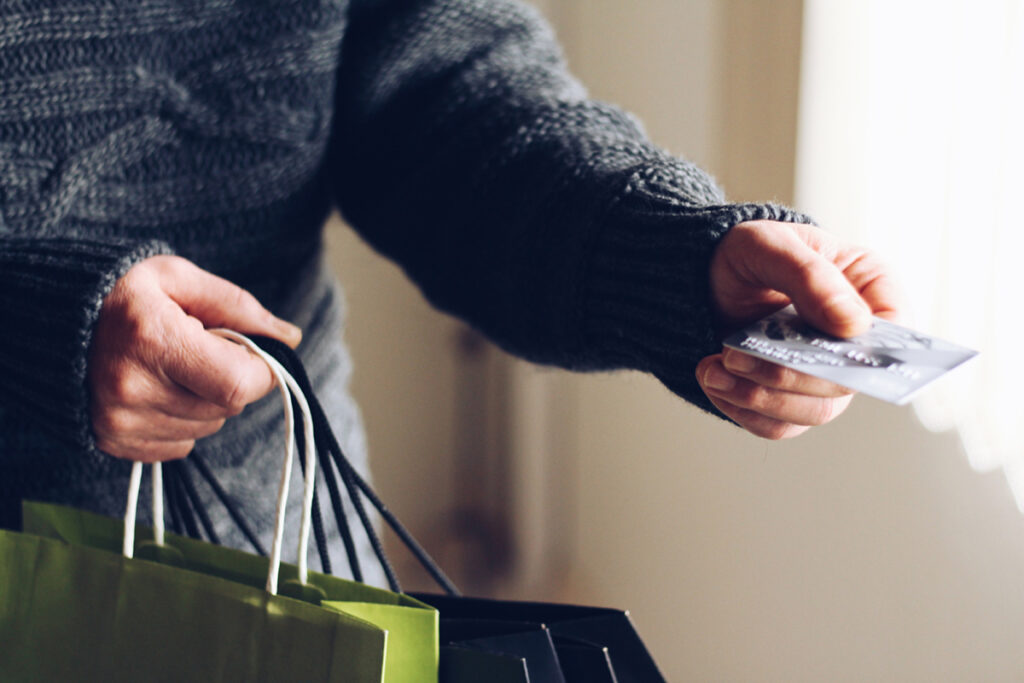
Even as vaccinations picked up, the whiplash in consumer behavior was far from over for retail. The pandemic all but retired casual browsing. Foot traffic fell hard, and conversion rates climbed, which tells you something useful: whoever walks into a store right now is not window shopping. They came to buy.
Here is the catch. Even with sharper conversion, fewer people through the door is a hole no store can plug for long. Retailers have been auditioning every fix they can think of to coax shoppers back into a space that feels safe. One idea worth borrowing comes from restaurants, who discovered that a sidewalk table is worth more than a locked door: open-air shopping.
Months of lockdown and distancing left one very reliable side effect, which is cabin fever. The moment the weather turns kind, people head outside, and being outdoors is far lower risk than being packed into a room. Savvy retailers can meet that mood halfway.
Of course, not every store has a spare patch of pavement. Tight urban blocks, local health rules and a stubborn winter can each shut the idea down before it starts. Weather, it turns out, does not take meetings.
Still, the stores that can use their exterior space get a bonus. They also get a live read on how customers feel about open-air shopping, and if shoppers like it, it will likely stick around for good. Three things are worth weighing before you roll out a single folding table.
1. The Curbside Option
Before 2020, in-store pickup (BOPIS, or buy online, pick up in store) was a niche perk for big-box chains. It gave shoppers online convenience with same-day gratification. It also cost stores something: when customers skip the walk through the aisles, they skip the little impulse additions that fatten a basket. Good for the customer’s wallet, less good for the retailer’s.
What began as a lockdown stopgap has settled in as a permanent sales channel. Customers can shop a store without ever stepping inside it, and surveys at the time suggested most planned to keep doing so after the pandemic faded. Smart retailers are now smoothing out the curbside handoff the way they once polished the checkout line.
There is a second lesson hiding here. After months at home, shoppers crave the simple act of going somewhere. A quick trip to a parking lot to pick up an order can feel as satisfying as a mall visit did before the pandemic, and that craving is something a store can design for.
The Front Door Test
Stand outside your store for ten minutes and watch. Does a stranger know what to do next? If your outdoor space is not inviting people in, it is just pavement with a lease attached.
2. Experiential Retail, Reimagined
Experiential retail was the darling of 2019. Macy’s bought the concept shop Story to make browsing feel like a show. Then it ran into a wall, because experiences need close contact, and close contact was exactly what nobody could offer. The idea did not die. It needed a new venue.
Retailers started moving the show outdoors. Lowe’s tried curbside trick-or-treating at Halloween, and Walmart turned parking lots into pop-up drive-in theaters that families could enjoy from the car. Nothing about it is complicated. It is a parking lot with a plan.
Events like these build loyalty because people remember being somewhere fun with their family, whether or not they bought anything. You are not closing a sale that night. You are earning a place in the story they tell about their weekend, and that is the kind of relationship that brings shoppers back.
3. The Transitional Space
Whether the space hosts an event, a pickup line or a simple handoff between outside and inside, the entrance matters. Many stores treat it as a sensory buffer between the street and the shop floor. Left unplanned, that buffer turns into a bottleneck where everyone stands around wondering where to go.
Use the entrance to tell people what they need to know, such as how the store handles safety and how to find what they came for. When capacity is limited, a smoother path means more people served and more sales, if the customer decides to come in at all.
Final Thoughts
Open-air retail is not a magic wand. It is one more tool for weathering a rough stretch, and a decent bet that some of it outlasts the stretch. BOPIS looks like it is here for the long haul, and the more creative a store gets with the ground around it, the better its odds.
The Un_Standard Takeaway
Your storefront does more than hold inventory. It tells people whether they are welcome. If you are rethinking what your doorstep, curb or parking lot could do for your brand, tell us about your storefront, and we will help you turn the space around it into a reason to visit.
Keep Reading
More on how stores are changing: The Pandemic Fueled Retail Trends That Are Here to Stay and The Future of Luxury.
About the author
David Garrard
Keep exploring
Pick a path through the work.

David Garrard
Agent Provocateur & Chief Creative Officer at Un_Standard. David helps ambitious brands unearth clarity, break the rules that hold them back, and co-create movement-level growth. When not challenging the status quo, he’s in the kitchen inventing new flavors or chasing after his three cats: Hallie Tosis, Lester Een, and Jim G. Vitis. #BeUnStandard


Leave a Reply
You must be logged in to post a comment.