Why Playing It Safe Is the Riskiest Strategy of All

Why Playing It Safe Is the Riskiest Strategy of All

Show me a comfortable leader, and I’ll show you a brand on the edge of irrelevance.

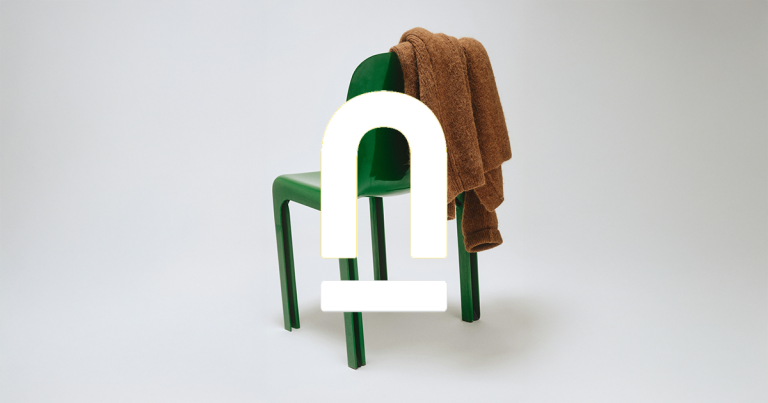
The business world is wild. Algorithms change, competitors get hungrier, and markets flip in a heartbeat. Yet plenty of executives and boards play it safe anyway. They hedge their bets, slap new colors on the old strategy, and settle for “pretty good” instead of unforgettable. Pretty good is the beige cardigan of business. Nobody objects to it, and nobody remembers it either.

Here’s the Truth

Safety is slow failure. When you cling to the comfort zone, your best people check out, your customers drift, and the only bold story in the room belongs to a competitor ready to eat your lunch.

The Comfort Trap: Why Brands Relapse Into Safety

Staying in the comfort zone spares you immediate pain and costs you long-term potential. It works like a warm bath: lovely for the first twenty minutes, then you notice you’ve gone wrinkly and the water is cold.

Cautious “strategies” dodge decisions, which stalls every big move. Every request for “one more round of feedback” or “let’s wait until the market calms down” slows you a little more. Months slip by, and your competitors launch what you only pondered.

Leaders ask for innovation, then kill bold ideas in review. You build an innovation lab, then route every pitch through a gauntlet of approvals that turns “disruptive” into “bland.” What survives is safe, watered down and forgettable.

Teams freeze while they wait for permission. If nobody ever sets the precedent that acting boldly is okay, and even necessary, people shelter in precedent. Incremental change never builds momentum.

What “Playing It Bold” Actually Means

Bold doesn’t mean reckless. It means ruthlessly clear, sharply aligned and built for action.

The best brands are fastest to clarity, and rarely first to anything. They decide which hills they’ll defend and commit. While the competition hesitates, they move, learn, iterate and lead.

They run experiments, chase impact, and retire what’s comfortable before the world does it for them. Another quarter of “meh” results? The bold cut it. The comfortable repackage it and relaunch it, hoping the same thing works differently this time. Movement-minded companies track how fast they learn and treat the plan as a draft.

Clarity is scarier than consensus, because clarity means someone is always moving the edge. Consensus feels safe and mostly protects the lowest common denominator. Bold teams invite disagreement and then act anyway.

The Last Bold Thing Test

Write down the last decision your team made that made somebody nervous. If you have to scroll back more than a quarter to find one, the comfort zone has a lease on your strategy. A short list counts. An empty one tells you where to start.

Show us your list

Three Myths Safe Leaders Swallow

Myth 1: “Wait and see is a strategy.” It protects you from a single misstep and guarantees inertia. The brands that hesitate longest get blindsided by change, usually after the market has already moved on without them.

Myth 2: “Short-term wins mean we’re fine.” A quarterly blip or a trending campaign is a sugar high for a team starved of real progress. Lasting wins come from narrative alignment, team buy-in and systems that compound over time.

Myth 3: “Playing it safe protects our talent.” Your boldest thinkers want a challenge. When “safe” and “familiar” smother their creativity, they find somewhere that values it. Or they stay and deliver exactly what’s expected, which may be worse.

What Happens When You Choose Boldness Over Safety?

Marketing gets dangerous in the best way: memorable, a little polarizing, impossible to ignore. Teams get honest about failure, fix it fast, and bring their whole selves to problem-solving.

The board wakes up. A moonshot gets everyone leaning in, and the easy path never made anyone fight harder.

Your culture shifts. New hires join for the chance to co-build something nobody else will try, and the status-quo perks fade into the background.

Customers fall in love again with what makes you different. Markets reward distinction over imitation, and bold brands become the benchmark everyone else is chasing.

How to Break Out of the Safe Zone

Invite movement along with the meetings. Run a boldness audit: challenge every routine and process, and carve out real space for risky ideas.

Make “no more vanilla” your North Star. Rewrite your About page and your marketing headlines until a competitor can’t plausibly claim them. If a line sounds safe, throw it out.

Name the scary projects and start them. Give the boldest ideas actual leaders and actual resources. If an initiative doesn’t make you or your board a little nervous, it probably isn’t bold enough.

Embrace boldness
Photo by Nick Fancher

Safe Kills, Bold Wins

Business history is crowded with brands that were once innovative and then said “not this quarter” one time too many. Blockbuster and Kodak are the usual cautionary tales, and in both cases the warning signs were visible well before the end.

Picture a founder who swaps every “what if we fail?” in the planning deck for “what if we lead?” The questions change the room first. Then they change the roadmap: a new market here, a new category there, and a slow year turns into a sprint.

Your Next Bold Move

If you want to make a dent, lead a market or grow a brand worth remembering, stop playing it safe and start building with clarity.

Which is scarier, the bold move you keep circling or another year of “pretty good”? Tell us the move and we’ll help you make it on purpose.

Keep Reading

Caution has a price too. Beyond Best Practices and Fear of Risk and Business go further.

Keep exploring

Pick a path through the work.

Agent Provocateur & Chief Creative Officer at Un_Standard. David helps ambitious brands unearth clarity, break the rules that hold them back, and co-create movement-level growth. When not challenging the status quo, he’s in the kitchen inventing new flavors or chasing after his three cats: Hallie Tosis, Lester Een, and Jim G. Vitis. #BeUnStandard

Leave a Reply