The Challenge Of Online Product Discovery

The Challenge Of Online Product Discovery
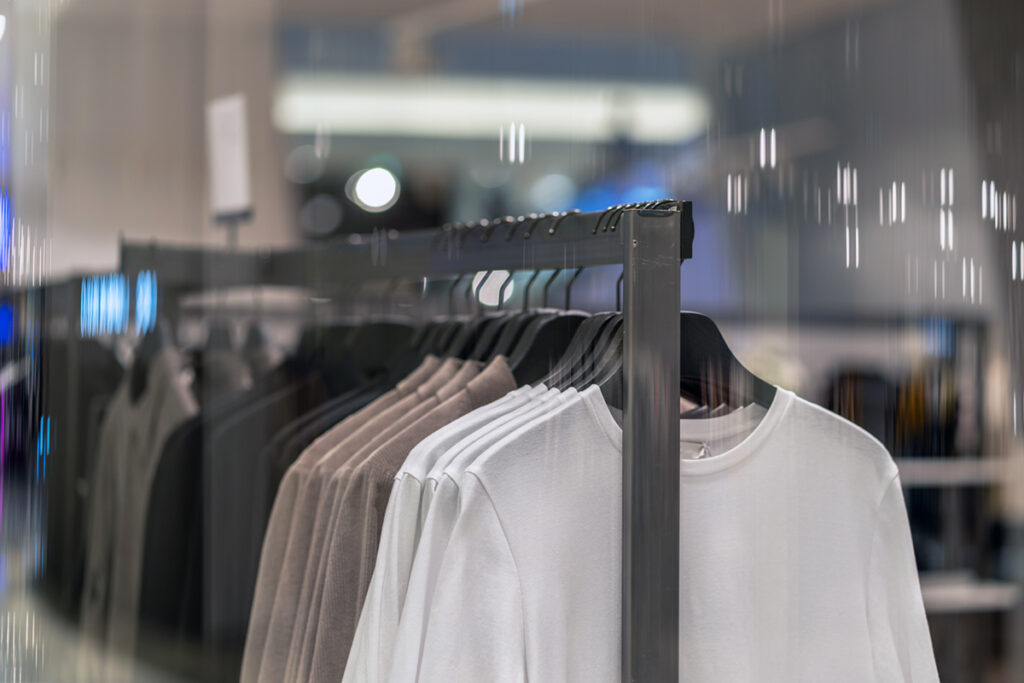
As the pandemic dragged on, more of us did our shopping on a screen, and that habit is not going back in the box. Which makes product discovery, the art of helping someone find what they want, one of the most valuable things an online store can get right. Retail-tech companies have spent years and plenty of cash on it, and a wide range of merchants are now putting even more effort in. For many, the goal is to make searching a site as enjoyable as wandering a good store.

Discovery comes in two flavors: what the retailer suggests and what the shopper searches for. Some people have no idea what they want and hope to trip over the perfect thing. Others know exactly what they want and are hunting for it among hundreds of lookalikes. Whichever shopper shows up, the process is about to get an AI-powered upgrade.

Online search tends to be old-fashioned and stiff, like a librarian who only answers in exact titles. Shopping platforms were built to complete a transaction, and now the experience has to fill the gap that in-store browsing left behind. The challenge for digital retailers is making discovery fun enough that buying feels like the natural next step.

Some retail-tech firms built their own search tools in-house. The luxury discovery platform Lyst, for example, staffs up with data scientists and engineers who spent years building systems that sort and organize millions of items across thousands of brands. Other retailers lean on proprietary algorithms from big tech platforms like Google and Shopify.

Getting discovery right lifts both conversion and loyalty. Retail-tech firms like Vue have argued that order values climb when discovery feels seamless, and the logic holds up: attention and retention problems are usually discovery problems wearing a disguise. The closer you get to what someone actually wants, the bigger the basket and the likelier the return trip.

Challenges and Opportunities

Tiny phone screens and enormous catalogs make online shopping feel like a chore, and retail-tech firms are working to fix it. A big selection is a blessing and a curse. If a customer cannot find what they came for quickly, they will head to a competitor in about the time it takes to blink.

Lyst built its search engine specifically for fashion, so it can account for things like season, occasion and design. Say a customer searches for a particular bag. The engine has to tell an over-the-shoulder bag from a waist bag, a hip bag or a micro-bag. Sneakers have splintered into luxury, performance, fashion and sport, each its own little world.

The Lost Shopper Test

Search your own site for the thing a customer wants most, using the words they would use. If you would give up after three tries, so will they. Count the clicks between the search bar and the product.

Talk through your product discovery

Smarter Product Recommendations

Most recommendations still amount to people who bought this also bought that. It is a blunt tool, because it ignores what a particular shopper likes and what they meant when they typed their search. It works especially poorly in fashion, where good suggestions depend on a customer’s history and context.

Gartner research found that shoppers prefer sites that show recommendations and recently viewed items, and they browse longer when those are there. Adore Me tested Google’s recommender tool to surface similar items and reported a big jump in clicks. The Yes tags each product with a large set of attributes, reads product photos with image analysis and runs several proprietary algorithms to personalize what each customer sees. Smart engines also have to remember the context and the intent behind a shopper’s behavior.

Luxury resale shows how hard discovery can get. Platforms like ThredUp list millions of one-of-a-kind items, so finding the right one can feel like looking for a needle in a haystack the size of a barn. ThredUp catalogs each piece by brand, size, color, category and design as it arrives, then tailors its messaging to each customer and uses machine learning to nudge them toward items they will like.

The Yes has spent time refining a system where customers vote on products to reveal their style. Asking people to describe their taste did not work, because one word can mean ten things. Showing three photos of a similar look gave customers an easy way to answer without having to find the right vocabulary. It is a good reminder that the best question is often a picture.

Product discovery interior image
What Is on the Horizon

When a shopper searches for something specific, the engine has to understand intent. A phrase like black outfit can return an avalanche of results, while an overly specific one can return nothing. Some mobile sites now show previews, suggested searches or photos to help people along. Someone who heads straight for the search bar usually knows what they want, so the real question is whether to cut the clicks to purchase or surface the most relevant items, and whether to send them straight to a product or offer a curated set.

Another challenge is building recommendation engines that keep up with changing prices and stock, so shoppers are not steered into a dead end. Lyst updates availability and pricing continuously. Smart substitutions on the product page can imitate a good sales associate who says, we are out of that one, but have a look at this.

Customers will keep shopping online long after the pandemic fades, and strong product discovery will separate competitive stores from forgettable ones. As with so many pandemic-era innovations, the role of AI in helping people find things will only grow.

The Un_Standard Takeaway

Discovery is storytelling with a search bar. If your customers are having a hard time finding the thing you made for them, tell us where shoppers get lost on your site, and we will help you build a path they will actually follow.

Keep Reading

More on finding the right product online: Machine Learning in Retail and Customer Centric Marketing.

About the author

Keep exploring

Pick a path through the work.

Agent Provocateur & Chief Creative Officer at Un_Standard. David helps ambitious brands unearth clarity, break the rules that hold them back, and co-create movement-level growth. When not challenging the status quo, he’s in the kitchen inventing new flavors or chasing after his three cats: Hallie Tosis, Lester Een, and Jim G. Vitis. #BeUnStandard

Leave a Reply