


Why Most Business Leaders Wait Too Long to Fix What’s Broken

Why Most Business Leaders Wait Too Long to Fix What’s Broken
In business, the most expensive word is “later.”

Great leaders are bold, and yet too many teams, even the best ones, wait until it hurts to address what’s holding them back. They see the drip: another delayed launch, one more confusing handoff, that customer complaint everyone shrugs at. Instead of reworking the system, they patch it again and tell themselves that next quarter is when the real change will finally happen.

Here’s the truth. Every month you wait to fix what’s broken, the pain compounds, momentum fades, and the solution gets more costly, more complicated and less likely. It’s a leaky faucet that has decided to become a flood.

Why Leaders Procrastinate (and How It Costs Them)

Let’s retire a myth. Waiting “until conditions are perfect” is a story that stalls growth.

Comfort kills movement. It’s human nature to find change risky and to wait and see, right up until the stakes are too high to ignore. A culture of tolerance follows, where teams normalize bottlenecks and patch them with workarounds and extra meetings. Every workaround adds more glue and less clarity. And leadership drift finishes the job. When leaders hold off, teams copy them, and soon the organization is packed with “almost fixed” problems.

The Duct Tape Inventory

Walk your team through last quarter and list every workaround they invented. Circle the three that cost the most time. You just built your fix-it list, and if you want a second pair of eyes on it, we’re around.

Share the list

The Real Cost of Waiting

Lost revenue comes first. Churn quietly rises, hidden leaks grow and launches miss their windows. Then your best people get tired of “just hang on” and start looking elsewhere. And growth, which should feel like momentum, starts to feel like dragging a couch up a staircase.

How to Break the Hesitation Habit

Audit early and audit often. Treat alignment and execution issues like expired milk. Don’t debate it. Dump it, fix it and move on.

Make it safe to sound the alarm. Empower every leader, manager and frontline team member to call out friction, and reward the messenger along with the firefighter.

Choose action over analysis. Most organizations drown in diagnosis. The movement way is to act, review and adjust.

Appoint bold owners. When a problem gets fuzzy, give it a name and a champion. Ownership beats committee every time.

Why Action Wins (and Waiting Never Does)

If your leadership team debates “what’s wrong” more than “what’s next,” you’re overdue for movement. The best fix for drift is a calendar: set sprints, audit outcomes and shift before the pain hits growth. Movements are built by leaders who refuse to tolerate the tolerable.

Provocative leadership
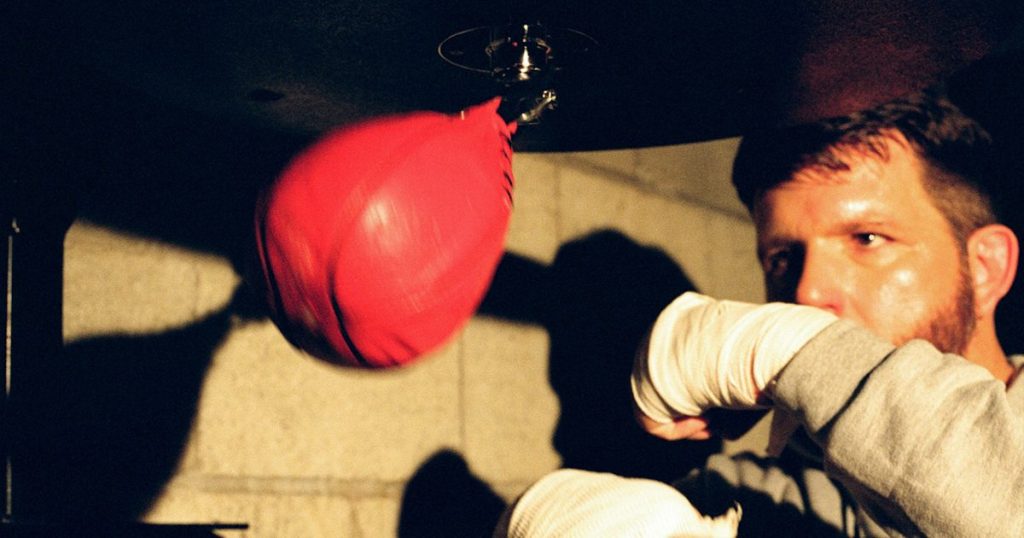
Photo by Mouthwash Studios

Three Habits for Breaking Bottlenecks Fast

Start every team meeting with a “what’s broken?” blitz: list it, delegate it, fix it. Publicly celebrate the first team to kill a bottleneck, since adding a new goal already gets plenty of applause. And once or twice a year, hold a blind-spot review, especially when things are going well, because that’s when blind spots are most comfortable.

Clarity Beats Hesitation, Every Time

The movement is always moving. If you’re frustrated by the same drag, delays and “almost fixed” problems, you’re looking at a leadership challenge, and a solvable one. Bold businesses break the chain early and cash in on speed over comfort.

Un_Standard is built for leaders who want to fix what’s broken before it breaks them. Tell us about the thing you keep patching and we’ll help you decide what to fix first.

Keep Reading

Fixing what is broken starts with an honest look. 5 Signs It’s Time to Hit Reset on Your Business Strategy and Embrace Evolution through Self Assessment are good places to begin.

Keep exploring

Pick a path through the work.

Agent Provocateur & Chief Creative Officer at Un_Standard. David helps ambitious brands unearth clarity, break the rules that hold them back, and co-create movement-level growth. When not challenging the status quo, he’s in the kitchen inventing new flavors or chasing after his three cats: Hallie Tosis, Lester Een, and Jim G. Vitis. #BeUnStandard

Leave a Reply